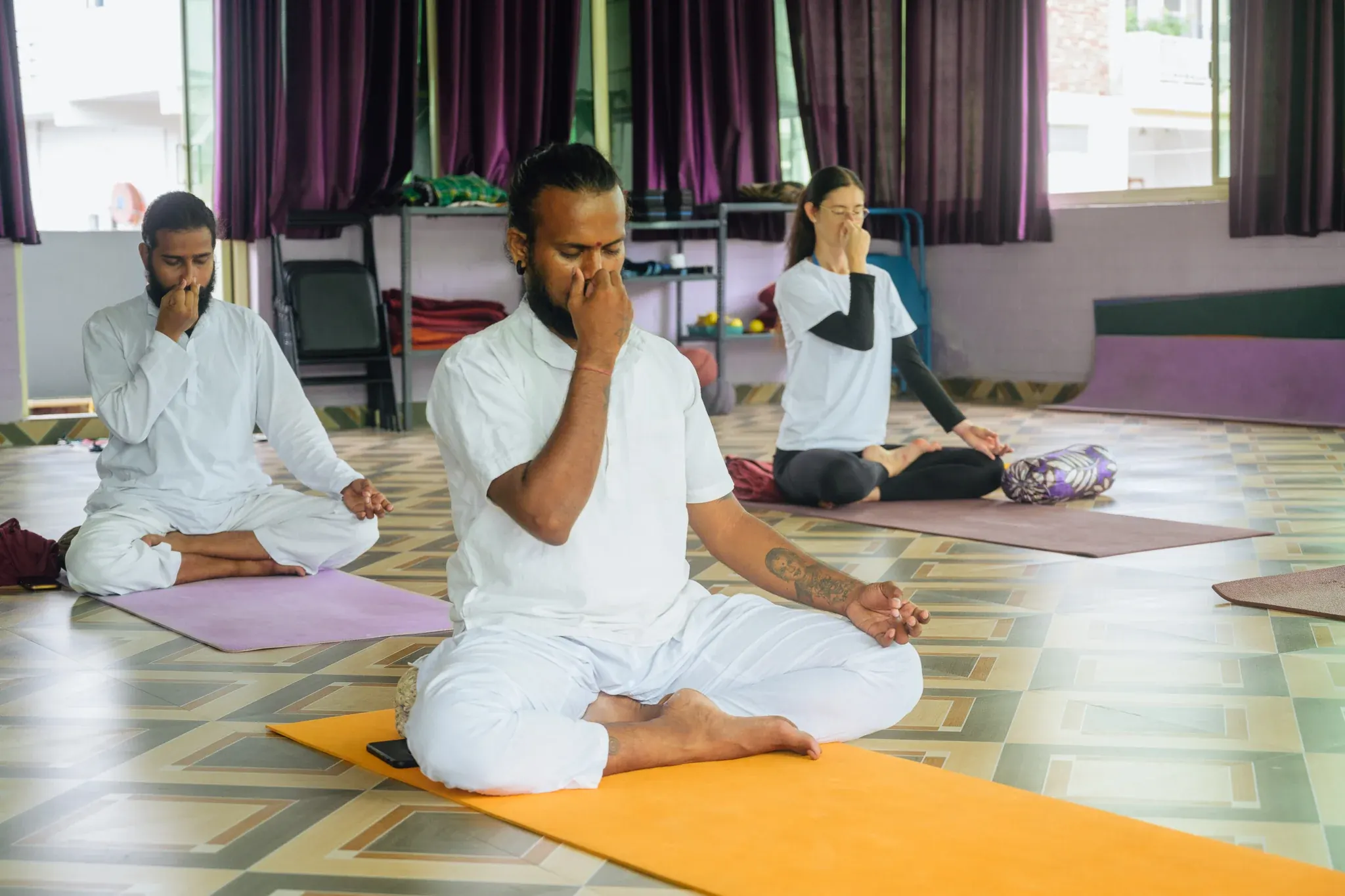
Pranayama practice
The day's practice, guided as a group: the techniques of your course in sequence, with the bandhas, mudras and bija mantras.
Breathwork · Rishikesh
Coming from breathwork? How the course teaches breathwork
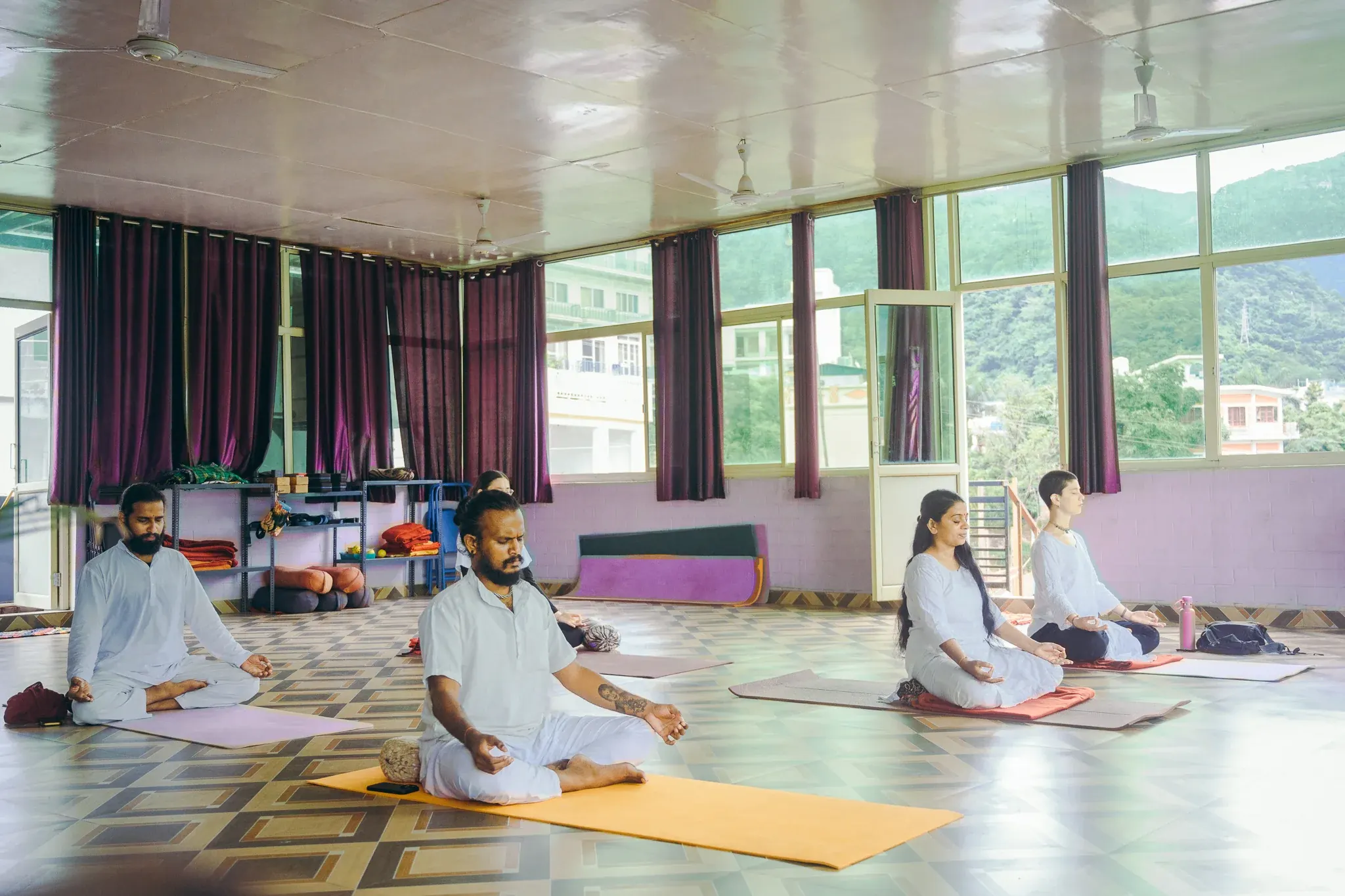
The science of breath
Breathwork is the conscious practice of regulating and directing the breath to transform your physical, mental, and emotional state. While the modern wellness world has popularized this term, the practice itself is ancient, rooted in the yogic science of Pranayama, refined over many centuries in the ashrams of India.
प्राणायामेन युक्तेन सर्वरोगक्षयो भवेत्
prāṇāyāmena yuktena sarvaroga-kṣayo bhavet
With pranayama rightly practised, all disorders are said to wane.
At Anantadrishti Yoga, we bridge the ancient and the modern. Our teaching follows the classical pranayama tradition while staying fluent in contemporary breathwork science: vagus nerve theory, heart-rate variability, brain wave modulation, and CO₂ tolerance. Whether you arrive saying “breathwork” or “pranayama,” you learn the same deep skills.
Every technique we teach, from gentle Ujjayi (ocean breath) to powerful Kapalbhati (skull-shining breath), is grounded in the classical eight-limbed yoga system. Pranayama is the fourth limb of Patanjali's Ashtanga Yoga, positioned between asana (postures) and pratyahara (sense withdrawal) as the bridge from body to mind.
Our teaching draws on how classical yoga texts, such as the Hatha Yoga Pradipika and Patanjali's Yoga Sutras, describe the breath and the mind, alongside modern respiratory physiology and neuroscience research, so you develop both the experience of a traditional practitioner and an understanding of the science.
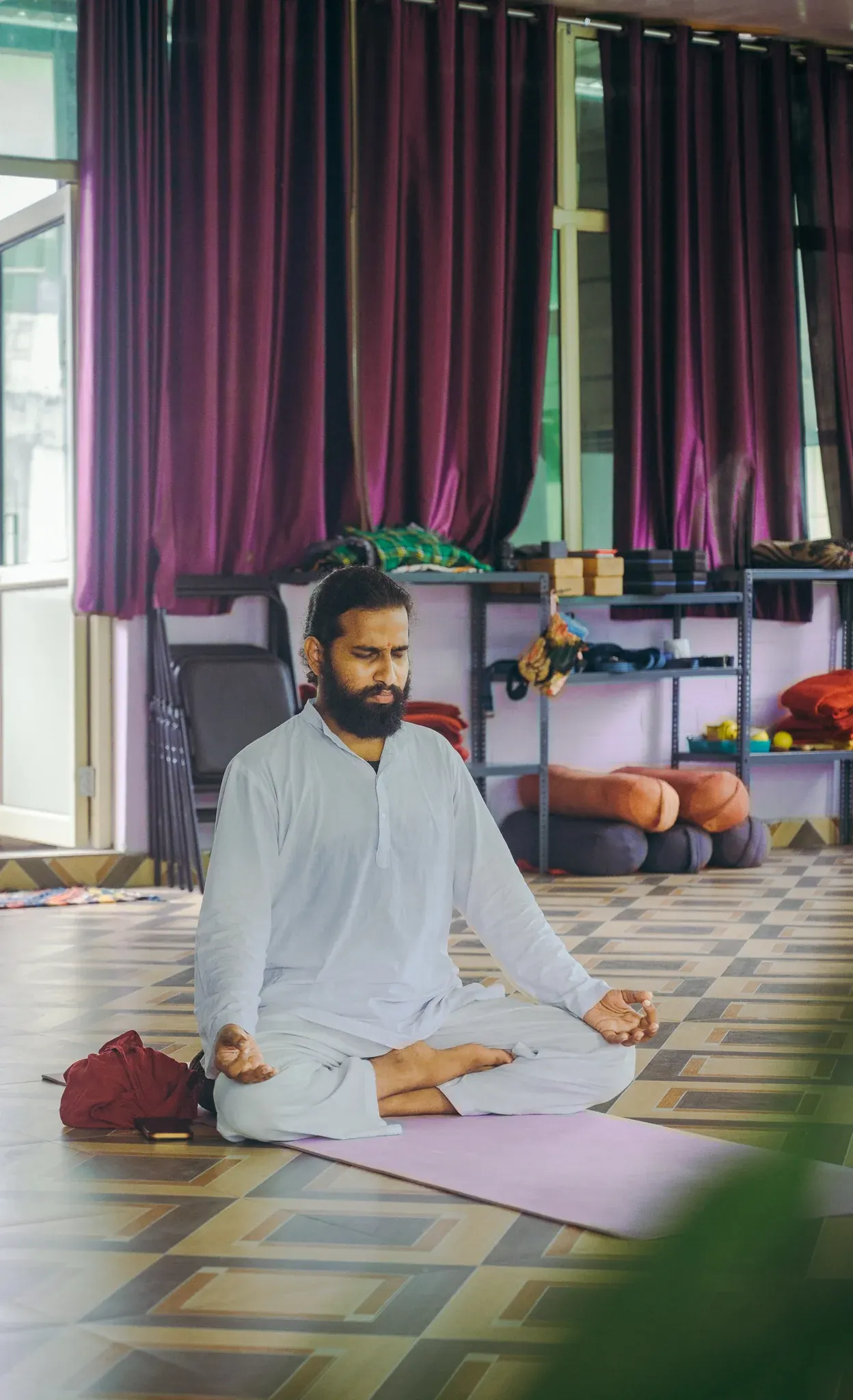
Techniques & methods
A gentle, audible breath that warms the body, calms the mind, and builds internal focus. The foundation of vinyasa and the gateway to deeper breathwork.
Learn the techniqueBalances the left and right sides of the breath, settles the nervous system, and prepares the mind for meditation. One of the most studied techniques in breathwork science.
Learn the techniqueA rapid, rhythmic exhalation technique that energizes the body and sharpens mental clarity. Practiced worldwide as a core breathwork method.
Learn the techniqueProduces a soothing humming vibration that calms an agitated mind and activates the parasympathetic nervous system.
Learn the techniqueHolding the breath in and out with the root, abdominal and chin locks: the heart of advanced pranayama, and how to begin it safely.
Learn the techniqueStructured breathing patterns used by athletes and therapists. Equal-ratio and extended-exhale techniques for stress relief and sleep.
Learn the techniqueEvery classical technique in one place: the types of pranayama.
What practitioners report
Many practitioners find that a few minutes of steady breathing before work or study makes it easier to settle and concentrate.
Kapalbhati and Bhastrika are traditionally practised to wake up the body and mind; students often describe feeling alert and warm afterwards.
Slow breathing with a longer exhalation is associated with the parasympathetic, rest-and-digest response, and many people feel calmer within minutes.
Regular practice trains the diaphragm and the muscles between the ribs, and teaches you to use the whole of the lungs rather than only the upper chest.
Research on slow breathing reports effects on heart rate and heart-rate variability. In class, students observe for themselves how each practice shifts their state.
Classical pranayama is the fourth limb of Ashtanga yoga, practised to steady the mind before meditation (dharana and dhyana).
Many practitioners use slow left-nostril breathing (Chandra Bhedana) or the 4-7-8 pattern in the evening to quiet the mind before sleep.
Conscious breathing creates a gap between stimulus and response. Over time, practitioners report steadier moods and greater equanimity.
Agnisara and deep diaphragmatic breathing move the abdominal muscles; in yoga they are traditionally practised to support digestion (agni).
Study with us
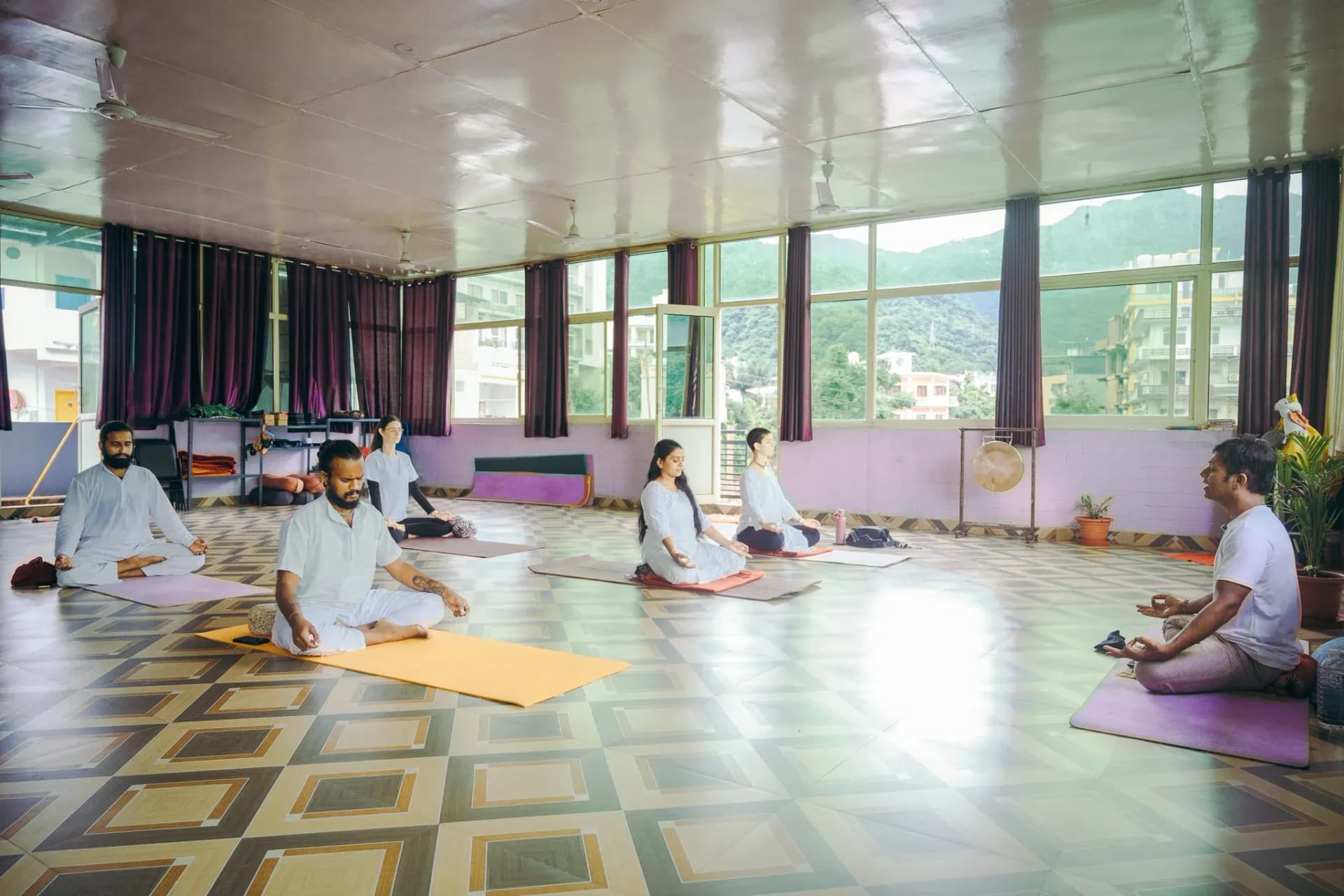
Advanced Pranayama Course
Tuition from$149₹13,000
Prefer a shorter stay? See our retreats in Rishikesh.
Daily schedule
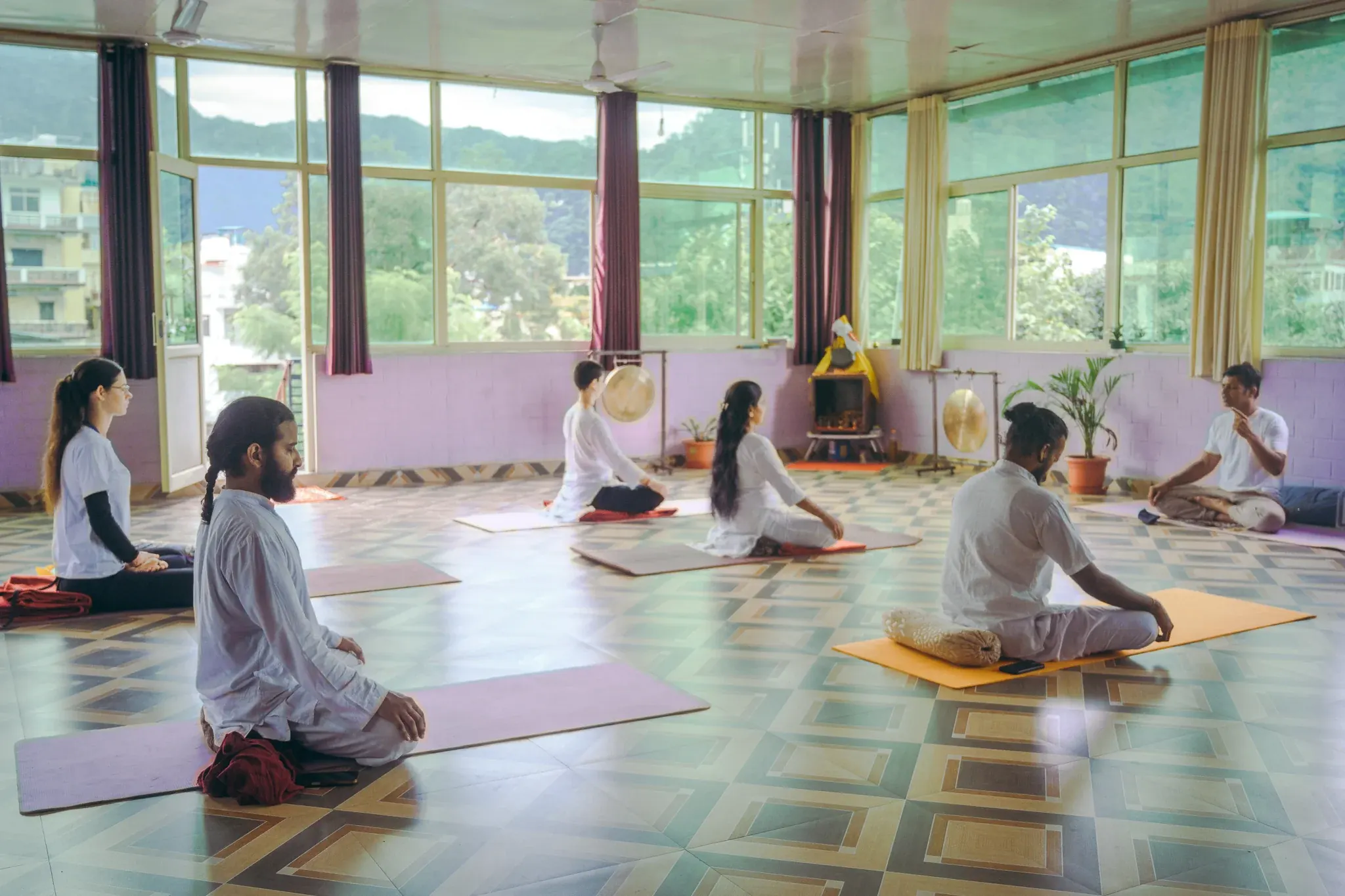
Sunday is a rest day, with no classes. Afternoons are free for rest, reading and quiet practice of your own.
I
II
III
IV
Accommodation can be arranged nearby in Tapovan. Tell us your dates and budget when you enquire, and we will help you find a room.
Learning center
The history, styles and science of breathwork, from ancient pranayama to modern techniques, and what research suggests about how conscious breathing affects body and mind.
8 min readSomashekar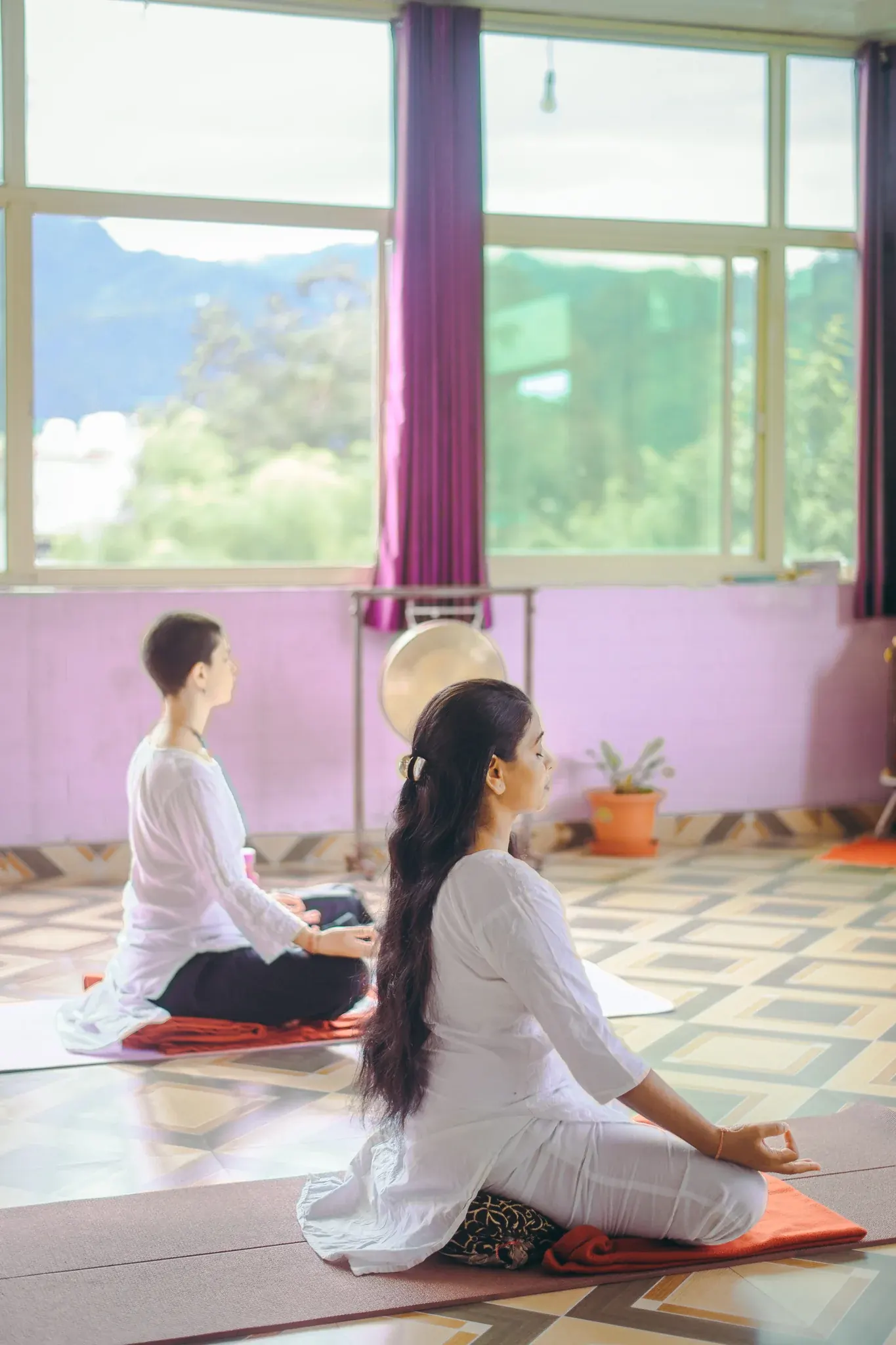
What studies suggest about breathwork for stress, sleep, focus, breathing and mood, and where the evidence is still thin.
10 min readSomashekarStep-by-step instructions for 7 powerful breathing techniques — from calming Nadi Shodhana to energizing Bhastrika and advanced Ujjayi with Maha Bandha.
12 min readSomashekar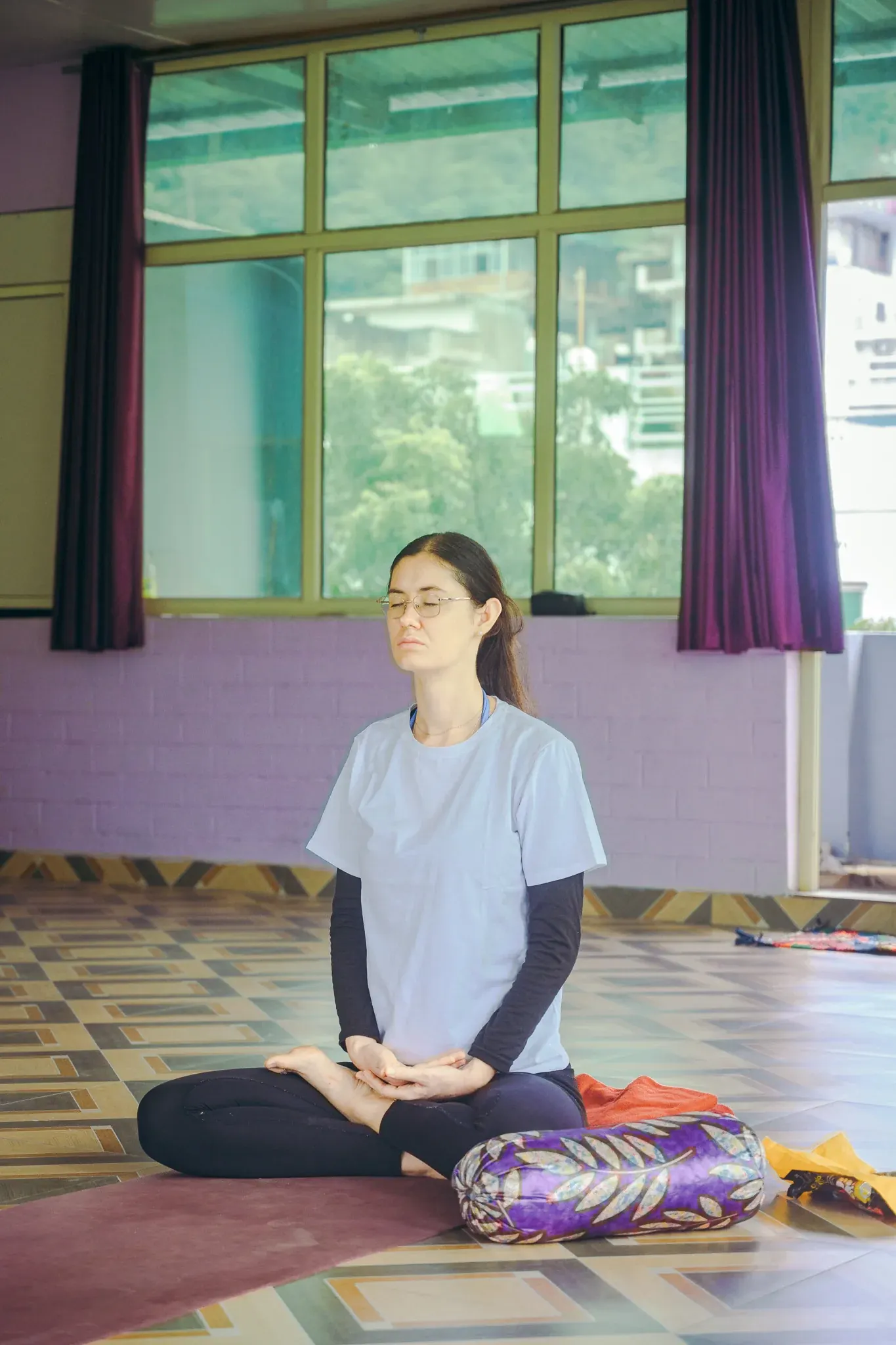
The breathing techniques most often used for anxiety, with step-by-step instructions and an honest note on what the research suggests.
7 min readSomashekar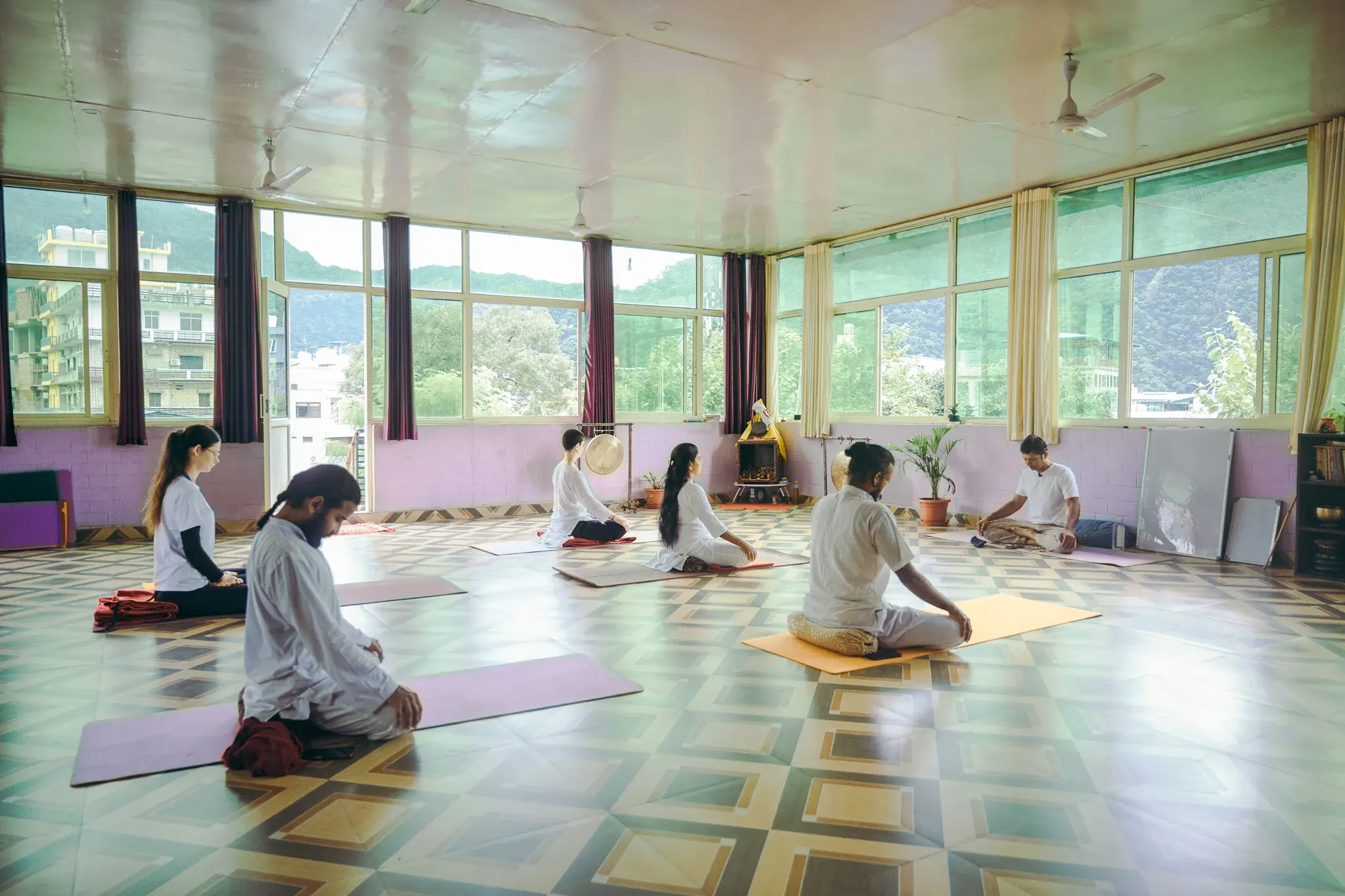
A detailed step-by-step guide to combining Ujjayi Pranayama with Maha Bandha — three energy locks that deepen breath retention, steady the mind and, in the yogic tradition, lead toward meditative absorption.
10 min readSomashekarExplore the deep philosophical roots of Ujjayi Pranayama through ten perspectives drawn from the Hatha Yoga Pradipika, Yoga Sutras, Nath tradition, and Gheranda Samhita.
12 min readSomashekar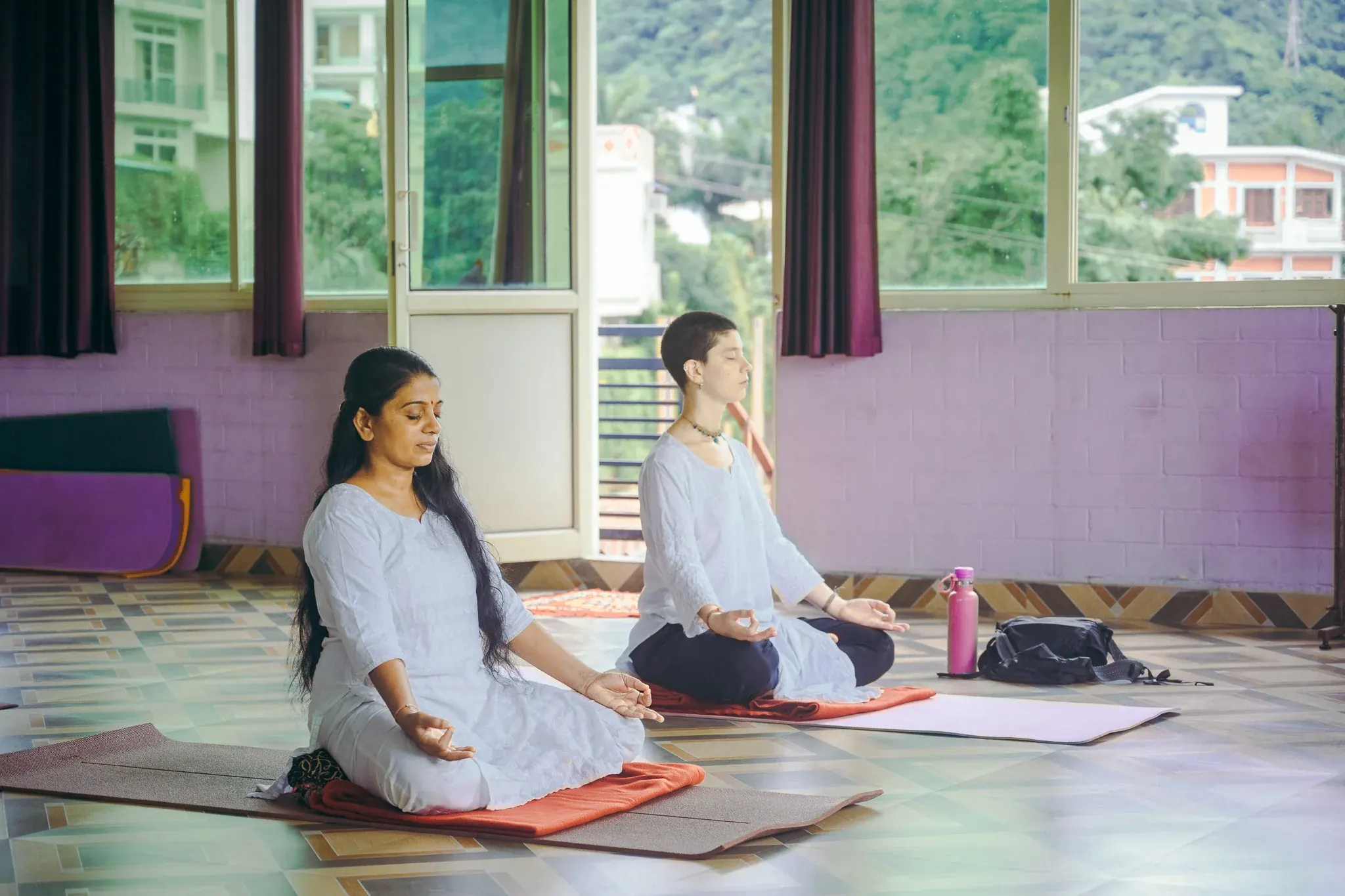
What research suggests about breathwork and brain waves: how slow Ujjayi breathing and Maha Bandha may relate to calmer Alpha and Theta states, and where the evidence is still thin.
11 min readSomashekar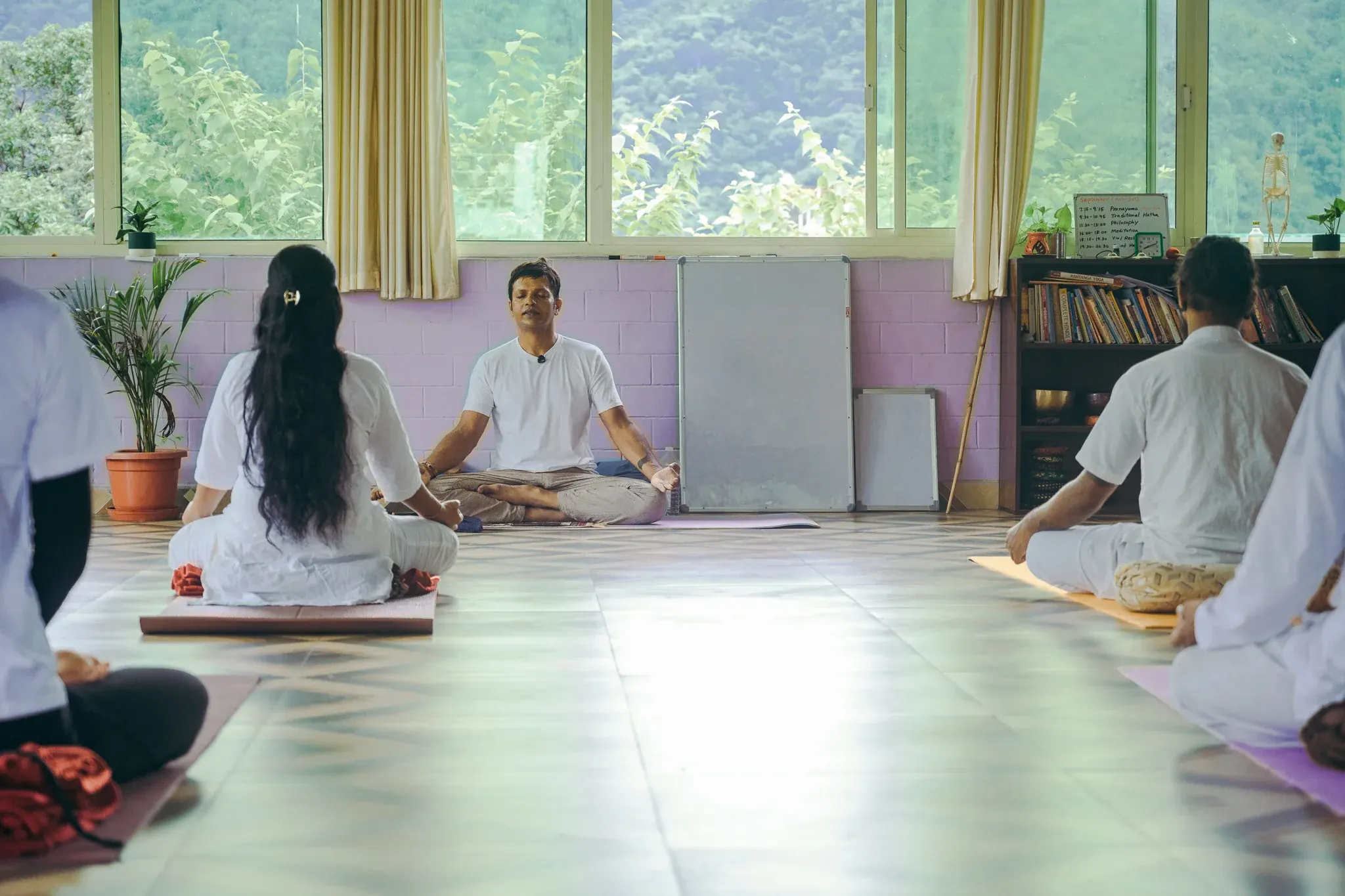
Learn the powerful combination of Bhastrika (Bellows Breath) and Maha Bandha: step-by-step technique, safety guidelines, and 8 proposed effects on the brain, rooted in the Hatha Yoga Pradipika.
14 min readSomashekar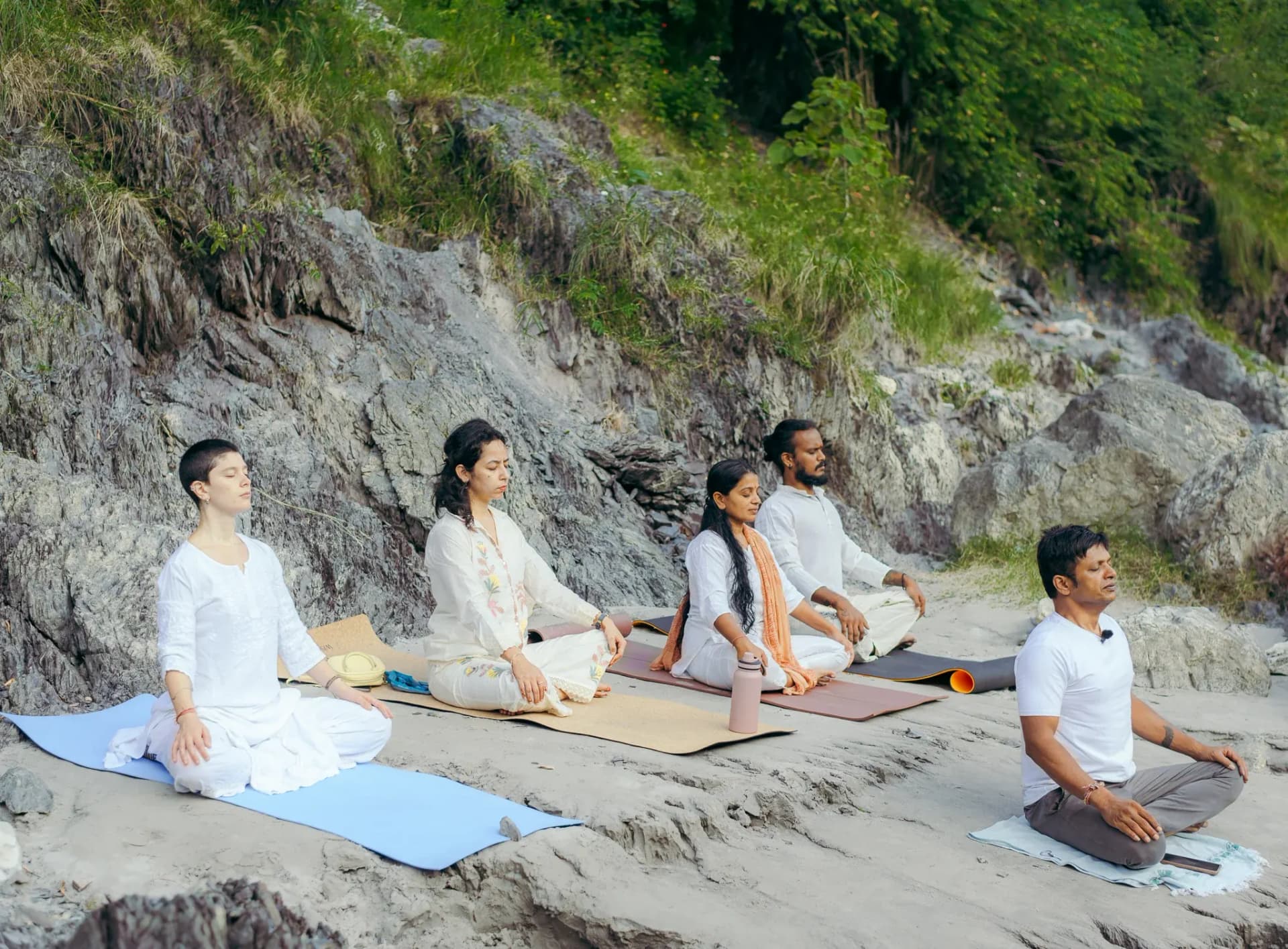
What is the difference between modern breathwork and classical pranayama? Explore their origins, techniques, goals, and why pranayama is the original — and most complete — breathwork system.
7 min readSomashekar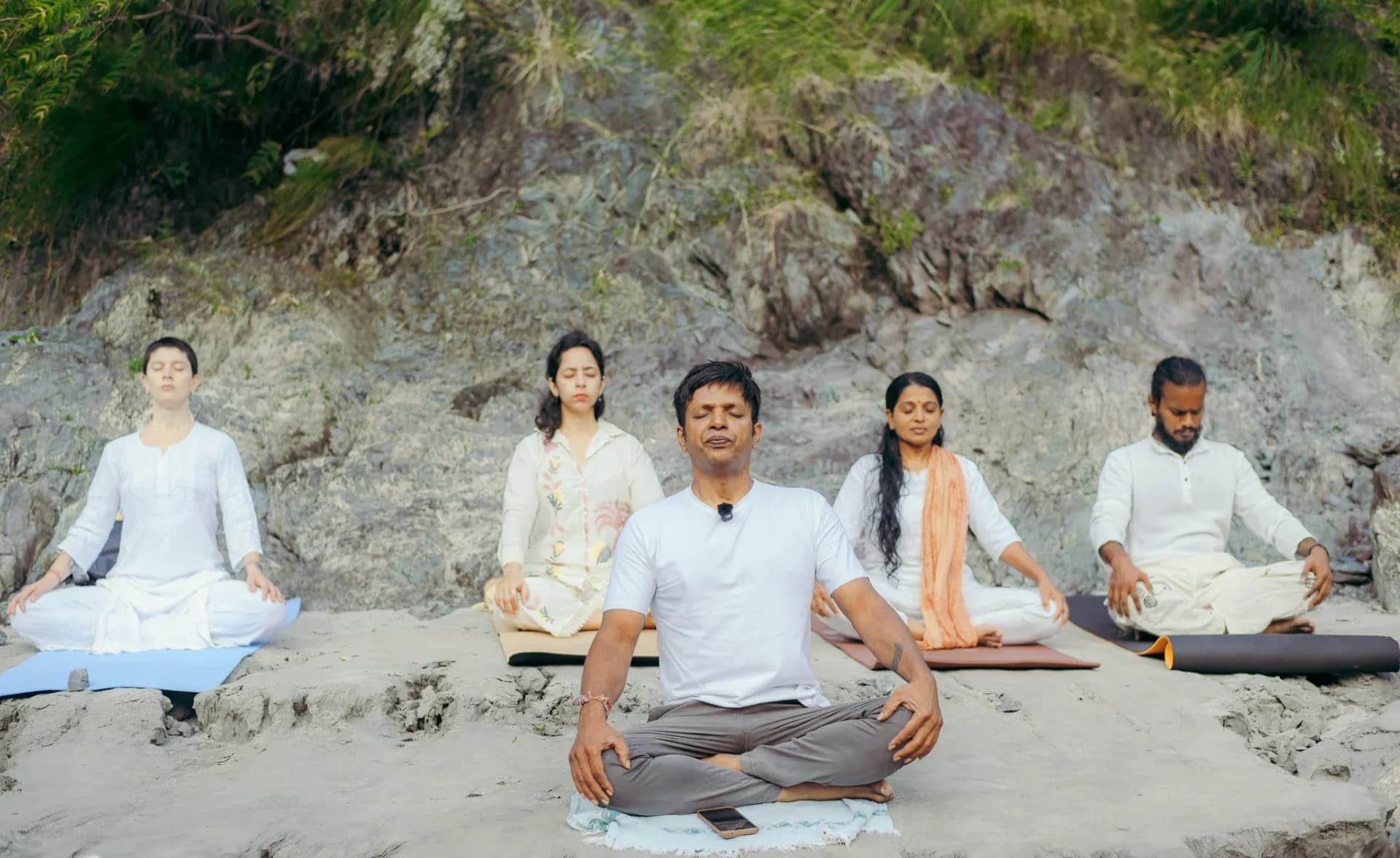
Step-by-step instructions for 5 beginner-friendly breathing exercises: Box Breathing, 4-7-8 Technique, Diaphragmatic Breathing, Alternate Nostril Breathing, and Ujjayi. No experience needed.
9 min readSomashekarAdvanced Pranayama Course
Tuition from$149₹13,000